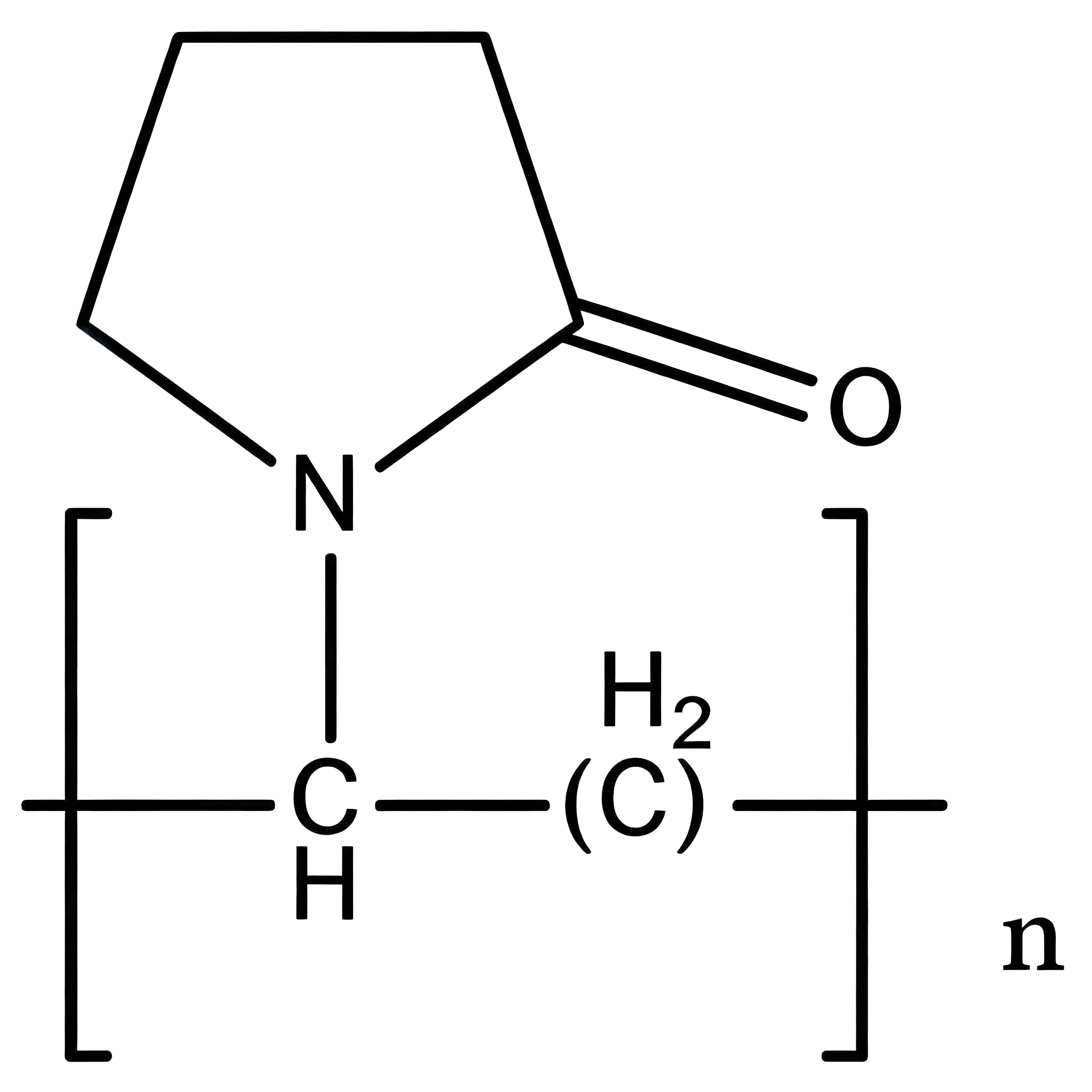
| Product name | Polyvinylpyrrolidone K30 |
| CAS | 9003-39-8 |
| Brand | FNAT |
| EINECS Code | 1312995-182-4 |
| Alternative name | Povidone K30 |
| Formula | CH4 |
| Molecular Weight | 16.04246 |
| Appearance | White powder |
| Samples | Available |
Description:
Applications:
| Clarifying agent; Pigment stabilizer; Colloidal stabilizer. Mainly used for clarification and quality stability of beer (reference dosage 8-20g/100L, maintained for 24 hours and filtered out).It can also be used in combination with enzymes (proteases)and protein adsorbents. Also used as a stabilizer for clarifying wine and preventing discoloration (reference dosage 24-72g/100L). |
| Clarifying agent; Stabilizer; Thickener; Tablet filling agent; dispersant. Polymer PVP with a molecular weight of 360000 is commonly used as a clarifying agent for beer, vinegar, wine, and other beverages. |
| Used as a stationary liquid for gas chromatography |
| Widely used as a thickener, emulsifier, lubricant, and clarifier, as well as a complex of disinfectant PVP-I |
| As a colloid stabilizer and clarifying agent, it can be used for clarifying beer and used in moderation according to production needs. |
| Medical, aquaculture, and livestock disinfectants. Used for disinfection of skin and mucous membranes. |
| PolyFilterTM molecules have amide bonds and adsorb hydroxyl groups on polyphenol molecules to form hydrogen bonds. Therefore, they can be used as stabilizers for beer, fruit wine/grape wine, and beverage wine, extending their shelf life and improving their transparency, color, and taste in Chemicalbook. This product comes in two specifications: disposable and reusable. Disposable products are suitable for use by small and medium-sized enterprises; Regenerative products require the purchase of specialized filtration equipment, but they are recyclable and suitable for large-scale breweries to recycle |
| In daily cosmetics, PVP and copolymers have good dispersibility and film forming property,and can be used as setting liquid, setting agent of hair spray and mousse, shading agent of hair conditioner, foam stabilizer of shampoo, wave setting agent, dispersant and affinity agent of hair dye. Adding PVP to Snow Chemicalbook Flower Cream, Sunscreen, and Hair Removal Agent can enhance moisturizing and lubricating effects. The excellent surface activity, film-forming properties, and non irritating and non allergic reactions of PVP have broad prospects for application in hair care products, skincare products, and other fields. |
| Used for absorbing phenols and tannic acid from water extracts to purify plant enzymes.Used as a chromatographic adsorbent to separate aromatic acids, aldehydes, and phenols. Used for clarifying beer and wine. |
Specifications:
| Item | Specification | Test Value | |
| Appearance | White or milky white hygroscopic powder or flake particles | White hygroscopic powder | |
| Identification A | An orange-yellow precipitate is formed | An orange-yellow precipitate is formed | |
| Identification B | A pale blue precipitate is formed | A pale blue precipitate is formed | |
| Identification C | A deep red color is produced | A deep red color is produced | |
| PH(1→ 20) | 3.0-7.0 | 3.5 | |
| Moisture w/% | ≤5.0 | 3.1 | |
| Ash (Residue on Ignition)* w/% | ≤0.1 | 0.03 | |
| Lead* ppm | ≤10 | <10 | |
| Aldehyde w/% | ≤0.05 | 0.008 | |
| Hydrazine ppm | ≤1 | <1 | |
| N-vinylpyrrolidone w/% | ≤0.2 | 0.0002 | |
| 2-pyrrolidone w/% | ≤3.0 | 1.2 | |
| Peroxides (as H ₂ O ₂) ppm | ≤400 | 104 | |
| K-value | 27.0-32.4 | 29.4 | |
| Nitrogen content w/% | 11.5-12.8 | 12.0 | |
| TAMC cfu/g | ≤10^2 | <10 | |
| TYMC cfu/g | ≤10^2 | <10 | |
| E. Coli | Negative in 1g | Negative | |
Competitive Advantage:
High quality
Competitive price
Excellent supply capability
Sample service
Copyright © Nanjing FNAT Chemical Co.,Ltd. All Rights Reserved - Privacy Policy